
Table of Contents
What Exactly is Muscle Inhibition and Why Should You Care?
Muscle inhibition is a fascinating, though often frustrating, phenomenon where your brain, for protective reasons, tells a muscle to not contract as strongly or effectively as it should. It’s like your nervous system is putting the brakes on your muscle’s potential. This isn’t a conscious decision; it’s an automatic response designed to prevent further injury. Think of it as your body’s alarm system. When there’s pain, inflammation, or a perceived threat, the nervous system can temporarily “turn down the volume” on the affected muscles. This can happen after an injury, due to chronic poor posture, or even from overuse. While the intention is good – to protect you – it can lead to weakness, reduced mobility, and can even contribute to other compensatory issues elsewhere in the body. Understanding this protective mechanism is the first step towards addressing it and regaining full muscle function. At Modern Health Chiropractic, we see how muscle inhibition can impact daily life and athletic performance. We focus on identifying the root causes and implementing strategies to restore proper muscle activation. This understanding is crucial for anyone looking to improve their physical health and overcome limitations. We aim to educate our patients, like those who visit us in Farmington, UT, about these complex bodily responses so they can be active participants in their healing journey.
Common Triggers for Muscles to Shut Down
Several factors can trigger muscle inhibition, often stemming from stress – whether physical, chemical, or emotional. Physical stress is a big one. A sudden injury, like a sprain or strain, can immediately trigger protective inhibition in the surrounding muscles. Even repetitive motions from sports or certain jobs can lead to overuse and subsequent inhibition. Poor posture, a common issue in our modern lives, constantly puts certain muscles in a lengthened or shortened state, signaling to the brain that they might be at risk. Think about prolonged sitting with rounded shoulders; the muscles in your upper back might become inhibited. Illness and surgery are other significant physical stressors. The body’s resources are diverted to healing, and muscles that aren’t essential for immediate survival or recovery might be temporarily suppressed. Chemical stressors, such as inflammation within the body or even certain medications, can also influence nerve signals and contribute to muscle inhibition. Emotional stress, while not directly physical, profoundly impacts the nervous system. Chronic stress can lead to muscle tension and imbalances that, over time, can result in inhibition. It’s a complex interplay, and often, multiple triggers are at play simultaneously, making it essential to look at the whole picture. This is where our holistic approach at Modern Health Chiropractic comes in, examining all potential contributing factors to your muscle’s behavior.
How Inhibition Affects Your Body and Performance
When a muscle becomes inhibited, it doesn’t just feel weaker; it impacts your entire kinetic chain and overall well-being. A primary consequence is a noticeable decrease in strength and power. This can make everyday tasks feel more difficult and significantly hinder athletic performance. For athletes, this means reduced speed, agility, and endurance, potentially impacting their ability to compete at their peak. Beyond just strength, inhibited muscles often lose their ability to properly stabilize joints. This can lead to increased joint stress and a higher risk of secondary injuries, as other muscles and structures are forced to compensate. For instance, if your glutes are inhibited, your lower back might have to work harder, increasing the likelihood of back pain. Proprioception, your body’s sense of its position in space, can also be compromised. This affects balance and coordination, making you more prone to falls or awkward movements. Chronic muscle inhibition can also contribute to persistent pain and stiffness, creating a cycle of discomfort that’s hard to break. It can alter your natural movement patterns, leading to gait abnormalities or inefficient biomechanics. Recognizing these subtle and not-so-subtle changes is key to understanding the impact of muscle inhibition on your health and performance. We often see these effects in patients seeking sports injury recovery or relief from chronic pain.
Restoring Muscle Function: Our Approach at Modern Health Chiropractic
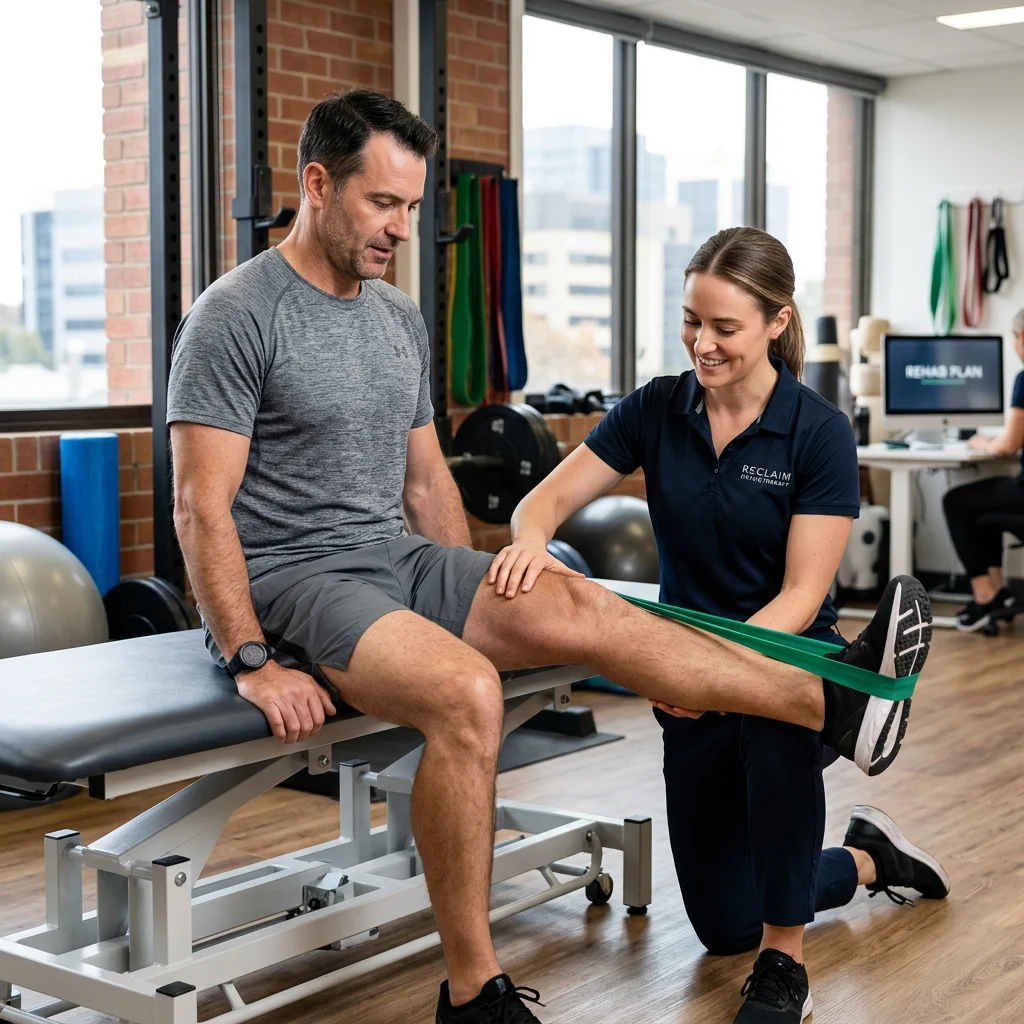
At Modern Health Chiropractic, we specialize in helping your body reclaim its natural strength and function by addressing muscle inhibition directly. Our approach is rooted in understanding that muscles don’t just stop working without a reason. We begin with a thorough assessment to identify the underlying causes of inhibition. This might involve evaluating your posture, movement patterns, and the health of your nervous system. One of our key services is muscle reactivation. This isn’t just about stretching or strengthening exercises; it’s about retraining your brain-muscle connection. We use techniques, including gentle chiropractic adjustments with instruments like the Arthrostim, to reduce interference between the brain and body. When vertebrae are fixated due to tight muscles from stress, we can help them move freely again. This allows for better communication signals to reach the muscles. We then employ specific reactivation protocols designed to “wake up” dormant muscles and restore their proper firing patterns. This process helps to re-establish normal muscle function, allowing you to move without pain and perform at your best. Our goal is to not only alleviate symptoms but also to address the root cause of the inhibition, promoting long-term wellness and preventing future issues. We believe in empowering our patients with the knowledge and tools to maintain their health.
Take the First Step Towards a Stronger You
Living with inhibited muscles can feel like you’re constantly fighting against your own body, limiting your potential for both daily activities and athletic pursuits. Whether your muscle inhibition is a lingering effect of an old injury, a consequence of prolonged poor posture, or stemming from the general stresses of life, understanding its origins is the first crucial step towards recovery. At Modern Health Chiropractic, led by Gregory Cruz D.C., we are dedicated to helping you understand and overcome these challenges. Our personalized approach, combining chiropractic adjustments and targeted muscle reactivation, aims to restore optimal function and enhance your overall quality of life. We believe in natural, holistic healing and are committed to educating you every step of the way. If you’re experiencing unexplained weakness, pain, or a plateau in your performance, it might be time to explore the possibility of muscle inhibition. We invite you to learn more about how we can help you reclaim your strength and vitality. Ready to move better and feel stronger? Contact us today to schedule your consultation and begin your journey to optimal health.